Remaking Participation in Science and Environmental Decisions
- September 19, 2024· Article by David Brown
- nature , citizen participation
Decisions about rivers, forests, farmland and climate affect everyone, yet the people who live closest to them are often the last to be asked. Remaking participation means changing that pattern. It asks how scientists, officials and communities can work together so that environmental choices are informed by evidence and also by lived experience, local knowledge and a sense of shared ownership.
What Meaningful Participation Looks Like
Participation is more than a public meeting held after the plan is finished. In its strongest form it begins early, when problems are still being defined. People help set questions, collect data, discuss options and review results. They see how their input changes the outcome, and they receive an honest explanation when it does not.
Practitioners often describe a ladder that runs from simply informing people, through consulting them, to collaborating and finally sharing decisions. The higher rungs demand more time and trust, but they usually produce more durable results.
Why Science Needs the Public
Environmental systems are complex and local. Residents notice changes in water color, bird numbers, flowering dates and flooding long before official monitoring picks them up. Fishers, farmers, herders and gardeners carry decades of observations that no single research team could gather.
When scientists and residents treat each other as partners, both data and trust improve, because people who help produce evidence are more likely to accept and use it.
Citizen Science in Practice
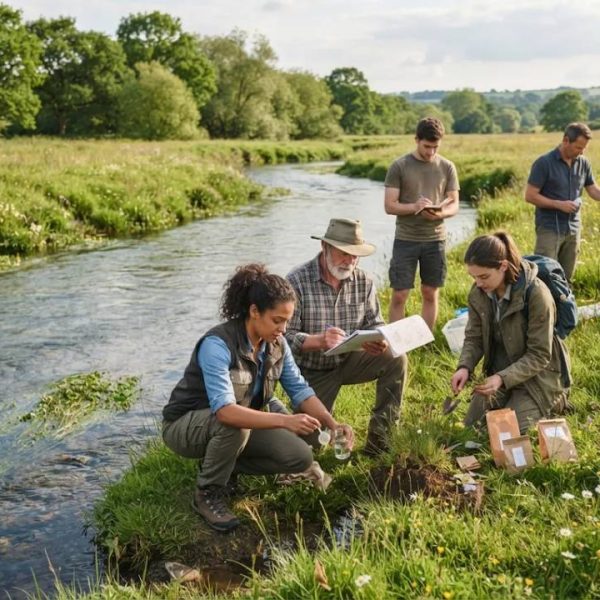
Citizen science projects invite volunteers to count species, test water, map litter or record weather. Smartphones, low-cost sensors and online platforms have made contribution easier than ever. Well-designed projects train volunteers, validate results and share findings openly.
Successful programs also give feedback. Participants want to know what happened to their data and how it influenced decisions, so regular updates keep people engaged.
Designing Inclusive Processes
Many groups are missing from traditional consultations, including young people, shift workers, rural residents, migrants and people with disabilities. Hold sessions at different times and places, offer childcare and transport, and use plain language.
Online tools help, but they can exclude people without reliable internet. A mix of formats, such as workshops, surveys, walks and phone lines, reaches a wider group.
Language and Cultural Access
In many regions, environmental information is published in a single official language, and communities that speak others are shut out. Translation and interpreting make participation fairer. For example, projects in river delta communities often need english to bengali translation services so that residents can read plans and give informed feedback.
Spoken meetings also need accurate records. Our notes on meeting recordings and transcripts explain how clear transcripts help communities check what was said and follow up on commitments.
Building Trust Between Communities and Institutions
Trust grows when institutions are transparent about goals, limits and uncertainty. Share data and models, name the decision makers and explain timelines. Admit mistakes quickly.
Long-term relationships matter more than one-off events. Regular contact with community groups, schools and local leaders creates a base of goodwill that helps in difficult times.
Tools and Standards for Good Practice
Professional bodies publish principles and methods that help organizers plan fair processes. The International Association for Public Participation offers a core set of values and practical guidance for designing engagement that is honest and effective.
Use these frameworks as a starting point and adapt them to local conditions. No toolkit replaces careful listening.
Measuring Whether Participation Works
Track who took part, what ideas were collected and how decisions changed. Ask participants whether they felt heard. Compare outcomes with and without engagement.
Publish the results, including lessons that were difficult to learn. Evaluation turns good intentions into improved practice.
Common Obstacles and How to Overcome Them
Typical barriers include limited funding, short timelines, technical language and fear of conflict. Another is consultation fatigue, when communities are asked for input again and again without seeing results.
Clear goals, realistic schedules and visible follow-through reduce frustration on both sides.
Youth and Education
Young people will live with environmental decisions longer than anyone. Schools, youth councils and clubs can bring them into projects through field work, mapping and storytelling.
Giving students real responsibility builds skills and a lasting sense of stewardship.
Digital Platforms and Their Limits
Mapping tools, apps and online forums let people contribute from anywhere. They also create risks such as misinformation and unequal access. Moderation, privacy protection and offline options keep platforms fair.
Combine digital and in-person methods for the best results.
Final Thoughts
Remaking participation is about sharing power as well as information. When communities and scientists work as partners, environmental decisions become more legitimate, more practical and more resilient.
Start small, listen closely and keep the conversation open.
Funding and Long-Term Support
Participation takes staff time, training and materials, yet it is often the first item cut from a budget. Build engagement costs into project plans from the start and look for partnerships with universities, foundations and local groups. Small grants for community organizations make it easier for residents to take part without losing income.
Stable funding also lets programs follow communities for years instead of months. Long-term relationships allow trust to develop, and they make it possible to track environmental change over time with consistent methods.
Respecting Indigenous and Local Knowledge
Indigenous peoples and long-settled communities hold detailed knowledge about land, water, seasons and species. Respectful projects ask permission, agree on how information will be used and credit the people who share it. Data sovereignty principles help communities keep control of their own records.
Combining traditional knowledge with scientific methods can reveal patterns that neither approach would find alone, from fire management to fisheries and flood planning.
Storytelling and Communication
Numbers persuade some audiences, but stories reach more people. Photographs, maps, short films and community exhibitions help residents understand data and share it with neighbors. Plain language summaries make technical reports useful for people who do not work in science.
Invite community members to present their own results at public events. Hearing a neighbor explain a river survey is often more convincing than a polished presentation from outside experts.
A Practical Starting Checklist
Begin with a clear question and a list of who is affected. Decide what role the public will play, how their input will be used and how feedback will be shared. Prepare materials in the languages people speak and choose venues that are easy to reach.
After the first events, review what worked, adjust and publish a short summary. Repeat the cycle regularly so that participation becomes a normal part of environmental decision making rather than a special occasion.